
As we enter the middle of March, one can be forgiven for expecting more signs of spring and milder temperatures. But, instead, we’ve had a real cold snap with snow, sleet and ice in many countries across Europe from north to south. Warmer and brighter weather is something I find uplifting for the soul, and I am yearning for spring to get sprung (excuse the pun).
After a long weekend of travelling and celebrating friends back to back, I found this working week almost relaxing, even with a full schedule. Nevertheless, I am planning to recharge my batteries this coming weekend. Today I share four practices I practice nearly daily, but I will break down the exercises to a beginner’s level – adapt as it fits you.
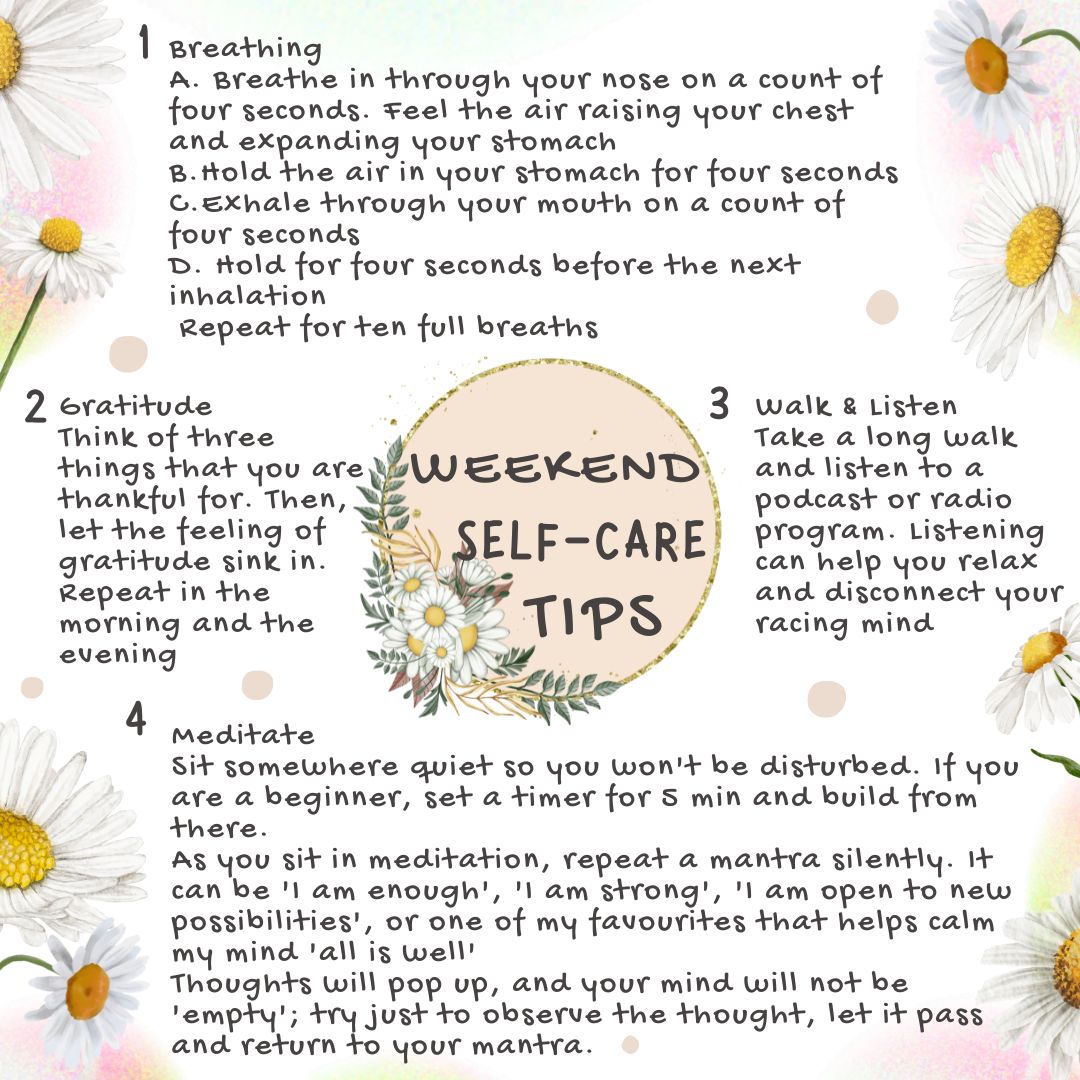
Breathing
It is incredible how much our breathing affects us. Of course, we must inhale oxygen and exhale carbon dioxide for survival. Still, the length and depth of our breaths are affected by our situational circumstances, influencing our state of mind. For example, our breaths tend to be shorter and shallower if we are stressed and longer and deeper when we are more relaxed. Practising control over our breathing can help us to manage anxiety and stressful situations. There are several techniques that can be used, which are all very good, but I will share a pretty straightforward practice that you might find to be a good starting point.
1. Breathe in through your nose on a count of four seconds. Feel the air raising your chest and expanding your stomach
2. Hold the air in your stomach for four seconds
3. Exhale through your mouth on a count of four seconds
4. Hold for four seconds before the next inhalation.
Repeat for ten full breaths
Gratitude
I practice gratitude daily, and some days are more difficult than others, but I try to stick with it. Although, to tell the truth, some days, it is hard to find appreciation, so I go back to the basics of basics. That can be being grateful for having clean water on tap or a comfortable bed to sleep in. And when you examine that further, you realise that it actually is something to be thankful for.
So, think of three things you are thankful for and let gratitude sink in. You might even want to try to smile and take a deep breath to help spread that feeling of gratitude throughout your body. Repeat this practice in the morning and before bed at night.
Walk & Listen
I can not say it enough, walking is an excellent mental health tool, so if you are able to walk – just do it, as Nike says. Walking outdoors has many benefits, but I encourage you to bring your headphones and listen to a podcast or radio show this week. Listening to something funny or interesting can help you relax and distract you from racing thoughts, worrying, or a never-ending-to-do list.
Meditate
For some people, meditation is immediately associated with sitting cross-legged on the floor with the hands resting on the knees in the gyan mudra position of knowledge (thumb and index finger touching, palm facing upwards), going ‘uhmmm’. However, you can meditate in many different ways, and it is part of numerous cultures and religious practices. Even many do it without actually realising that is what it is because they are calling something different, like just sitting in quiet collecting their thoughts.
I will introduce a simple practice: knowing that you cannot meditate incorrectly is essential. Some days we are more grounded and less distracted, so it feels easier to get into a relaxed state, and when it doesn’t feel like that and thoughts keep popping up, it can be easy to dismiss the session as unsuccessful. The key is to not be so hard on yourself and keep practising. Our minds are never empty. However, we can become better at not letting thoughts dictate or manipulate us into putting value, feelings or energy into them but instead accepting and releasing the thoughts. A tip I’ve picked up from Tamara Levitt, head of Mindfulness at Calm, is that when I notice my mind wandering during meditation, I say ‘thinking’ quietly in my head to acknowledge the thoughts, release them, and then I regain my focus.
Find a calm, comfortable and quiet place to sit, and I recommend sitting in favour of lying down as it helps us keep alert. Keep shoulders upright, straight and relaxed, and rest your hands loosely on the side or in your lap without clenching them into a fist. Keep the palms open and relaxed. Pick a mantra to repeat during your practice. Here are some suggestions:
∞ I am enough
∞ I am loved
∞ I am strong
∞ I am capable
∞ I am open to new possibilities
Or my favourite, which hits the spot universally but particularly if I am stressed or worried:
∞ All is well
Use a timer and set it for 5 minutes, sit silently, take a few deep breaths and silently repeat your chosen mantra. If you can sit longer, please do; if three minutes are enough, that is fine too. Extend your time with practice.
I hope I’ve given you some food for thought, and I wish you a stress-free and joyful weekend ahead.
All is well,
Milla ♥
 Welcome to MillaPhatLife's Blog