Hello! I am a behaviour change specialist and a multi-passionate entrepreneur living that Phat Life in London, UK. My weight has been a life-long struggle, although, despite living in a highly fat-phobic society, I eventually overcame bulimia. Following a knee injury and nearly 36 months in isolation during the Covid-19 pandemic, I made a life-changing decision to have bariatric surgery in 2022. With this blog, I want to share my life journey before and after surgery. If my experience can comfort, inspire or offer support to one other person – it is a win. ♥ M
Seriously, where is Spring? Weatherwise this week in London has been miserable and wet, very wet. Typical English weather, you might say, and yes, we are no strangers to rain, but it is still quite cold.
This week has gone by quickly, and I didn’t get a chance to get out for fun midweek. However, the household had a birthday this week, so I baked a cake. I love baking, I don’t do it very often anymore, but I find it relaxing and a nice activity to create something. But the best thing is, of course, to get to eat the thing ☺
Last night I went to the cinema for the first time since before Covid-19. We watched John Wick: Chapter Four. I like Keanu Reeves, and if you’re into action movies, this one is filled with long, beautifully shot action sequences. Although, I did have a snooze somewhere in the middle before getting poked by an elbow. It is very rare for me to stay awake for a whole film, and it is no reflection on whether or not the film is any good or not.
This Saturday, I am going to a life-drawing class and am unsure what to expect. I did art at school, drawing people posing for you – but with their clothes on. So this will be slightly different from art class in 9th grade. I will keep you posted on this experience.
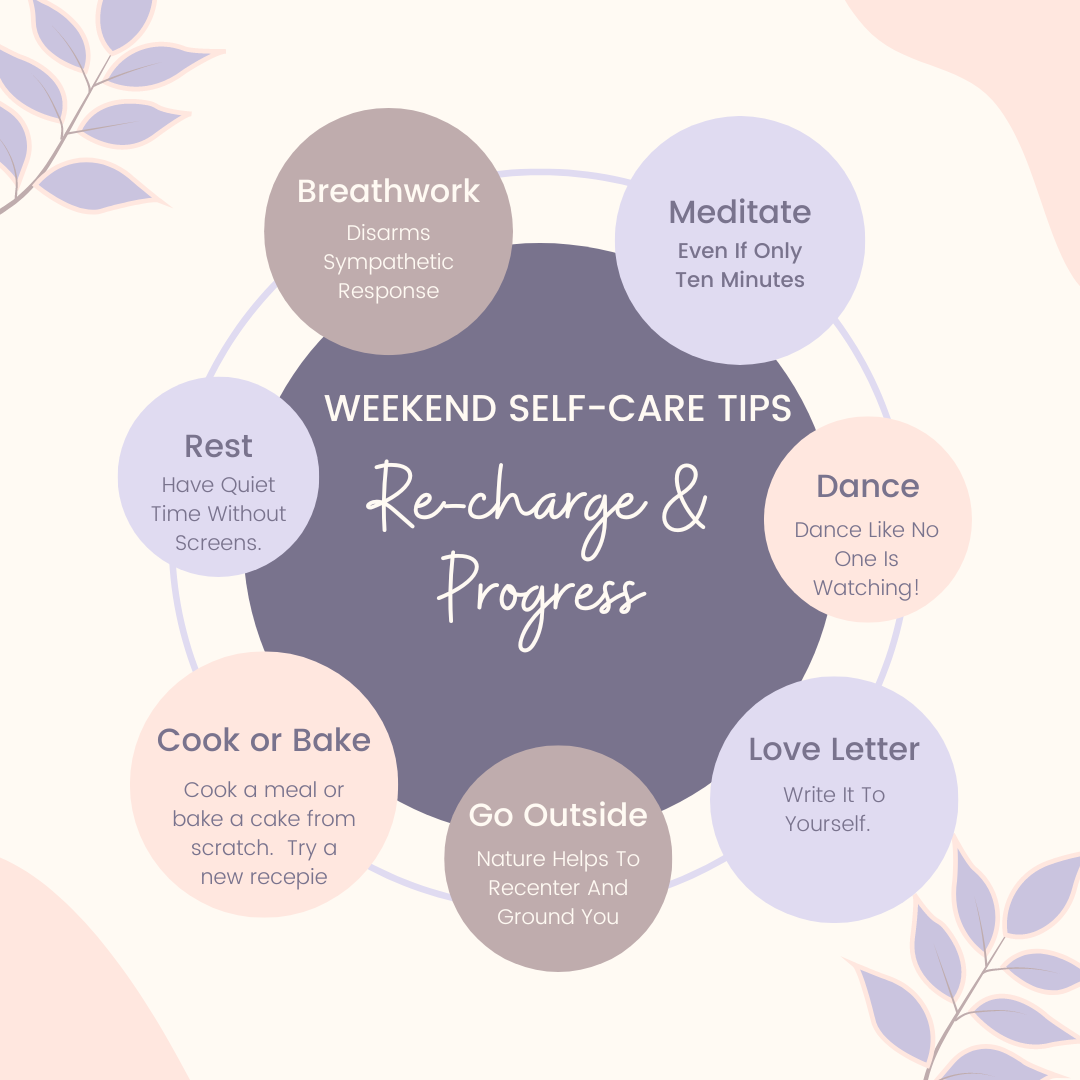
The Self-Care Tips for this Weekend are to revisit the topics I have covered previously; please see the picture below. Try to incorporate at least three of them this weekend.
And I read a great prompt on Instagram this week (it might have been by Oprah) that I think is spot on:
“Recharge, take time for self-care before your tank gets to empty.”
I am ready to put out a search party for the real spring to come forward. So far, it has just been flirting with us, teasing us with sunshine and blue skies to switch on us with hail storms and heavy rain. At least I am getting proper use of my winter coat, because I doubt it will fit me again next winter, it will be too big.
I think I said last week was hectic. I am unsure how to describe this week then because it has been full-on. However, I put work aside on Wednesday night and went to a comedy show. Oh, it was so much fun. Although my jaw was sore from laughing when leaving the venue, it was exactly what I needed.
Laughter really is the best medicine. Research has shown that laughing is an excellent way to release stress, and I think most of us can recall an occasion when laughter has really provided some well-needed relief. In addition, laughing releases endorphins into your bloodstream, so no wonder you get a little kick from it.
My childhood friend Alice and I always end up in a mad fit of unstoppable laughing, that kind when you almost stop breathing. It’s not a ‘pretty’ laugh; it involves hissing, snoring sounds, and loud bursts of belly laughing. Once, Alice’s daughter recorded us on her mobile phone because she couldn’t quite believe what she was witnessing. When she played the recording back to us later on, a new fit of laughter exploded. She just shook her head.
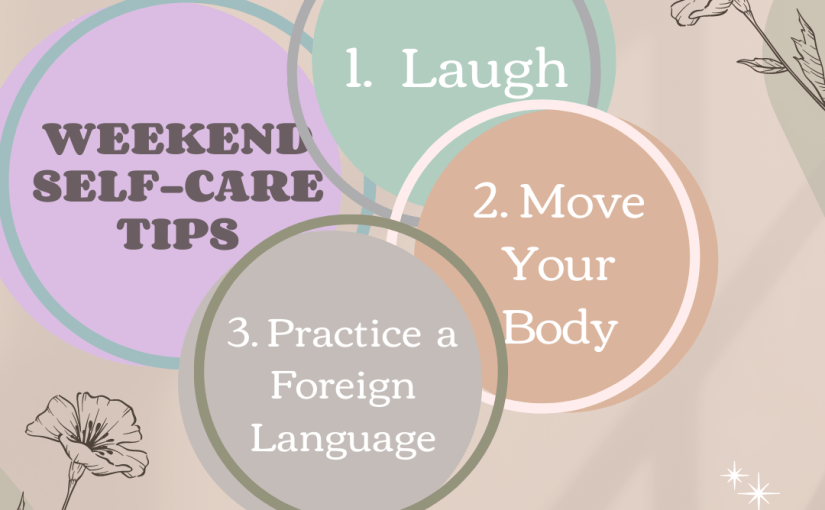
This leads me to my first Self-Care tip for this weekend:
Laugh. Schedule in time for potential belly laughing this weekend. If you are not spending time with other people, that might result in a lot of laughs, or if the family is too busy doing their own thing, make an effort for yourself to get some laughing time. My favourite distraction is to spend 5-10 minutes watching funny animal videos (if I’m honest, 30 minutes can go by in a swoosh). Watch a comedy series that you know will make you laugh or your favourite funny movie or stand-up special. Whatever tickles your funny bone – make time for it this weekend.
Move your body. If you’re not a regular gym goer, why not try out a class online or something new you haven’t done before? This weekend I am trying out something called wall yoga. Have you heard of it? It has come up a lot in my social media feed. There are different levels, but I will definitely start with beginners. I have a bit of an injured knee, and many poses and sequences would help strengthen the knee without putting too much pressure on it. I liked the idea of that, so that’s why I’m going to test it out.
Learn a new language. Is there a language you always wished you could speak? Or maybe something you studied when you were younger that you wish you’d remember better. Or if you have booked a holiday abroad for later this year, why not try to learn some phrases? I spent a lot of time in Spain growing up, and my Spanish used to be pretty good, but now it is rusty. However, I always wanted to speak French, and a few years ago, I started learning through an app. It is pretty impressive how effective those apps are. I watched the French cop series ‘Spiral’ and ‘Call my Agent’, and I was very proud of how much my French developed. I understood a lot of the dialogue. I need to pick it up again, so that is also on my agenda for this weekend.
Time is an interesting concept. Some people are always on time, some are always behind, and others are always early for arranged meetings, appointments etc. Time management is an essential skill in the corporate world we live in. There is constant pressure to deliver on time, not to waste time, and not to be forgotten the classic pressure point expression – time is money. This is quite ironic since the only thing we cannot buy, for love or money, is time.
How we manage or perceive the importance of time management varies from person to person. But I believe one thing we all agree on is that it never seems to be enough time. Making ‘time’ the most precious asset we have. We never wish we had less time, we might want to have spent less time on fruitless pursuits, but we never hope for less time. Generally, we want more time to spend with family and loved ones, to extend a holiday trip or more leisure time for enjoyable activities or passion projects.
I don’t have a hack or trick to accumulate more time beyond the 24 hours we have in a day, but I believe being present is key for adding quality to our time.
This week was a hectic one. At work, it felt like I was fighting fires all week; one issue after the other needed my urgent attention. However, I managed to squeeze in some real mid-week quality time with friends involving good conversations, delicious food, live music and just good old fashion fun. That, I found to be soul-nourishing because I made an active choice to be present in the moment.
Nevertheless, with it being Friday, I am feeling tired, and this weekend I will be spending on re-charging my body, mixed with attacking never-ending chores around the house and meeting up with friends.
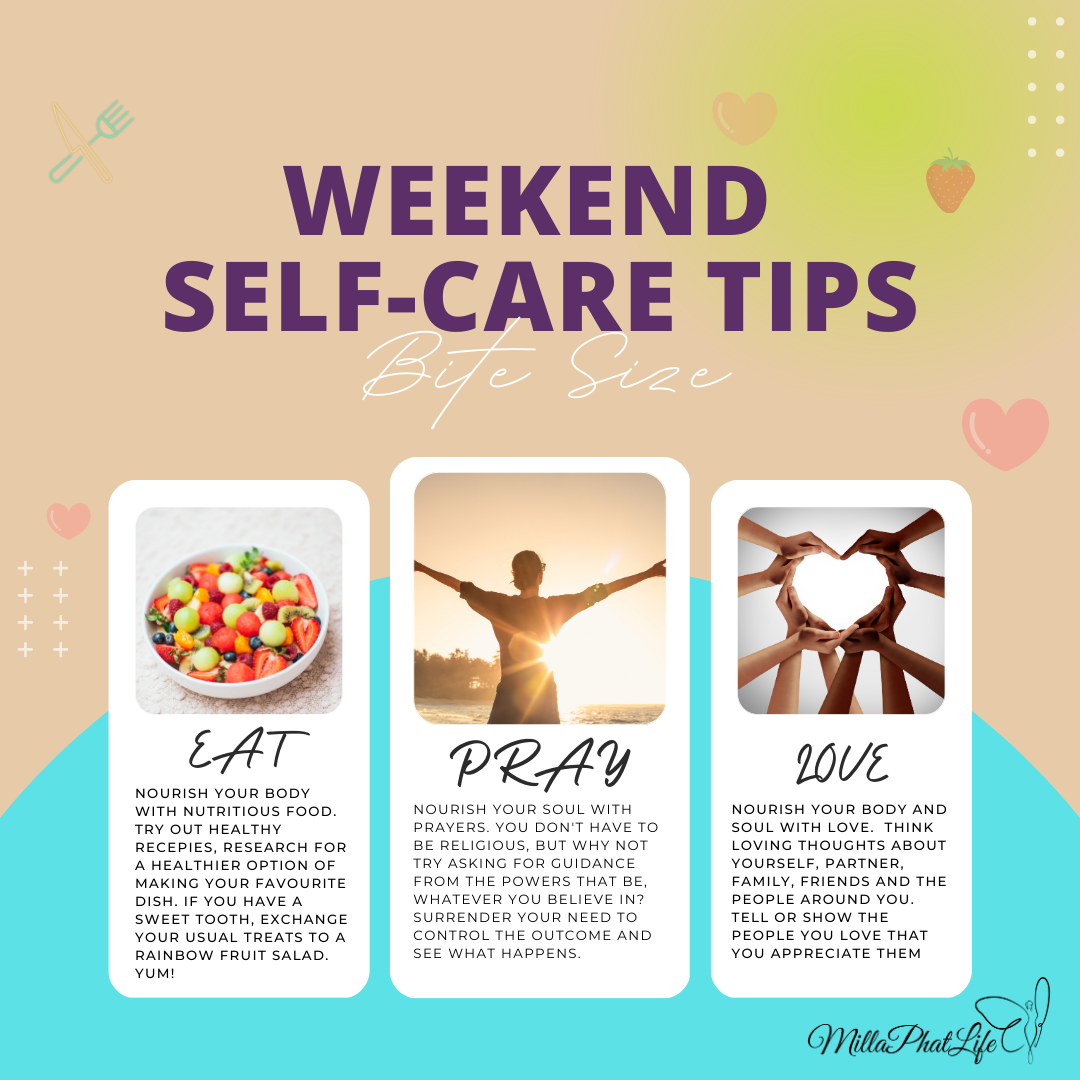
My self-care tips for this weekend are brief, and I have based the topics around the 2010 Julia Roberts blockbuster movie ‘Eat, Pray, Love’.
Have a peaceful, loving and joyous weekend Milla ♥
As we enter the middle of March, one can be forgiven for expecting more signs of spring and milder temperatures. But, instead, we’ve had a real cold snap with snow, sleet and ice in many countries across Europe from north to south. Warmer and brighter weather is something I find uplifting for the soul, and I am yearning for spring to get sprung (excuse the pun).
After a long weekend of travelling and celebrating friends back to back, I found this working week almost relaxing, even with a full schedule. Nevertheless, I am planning to recharge my batteries this coming weekend. Today I share four practices I practice nearly daily, but I will break down the exercises to a beginner’s level – adapt as it fits you.
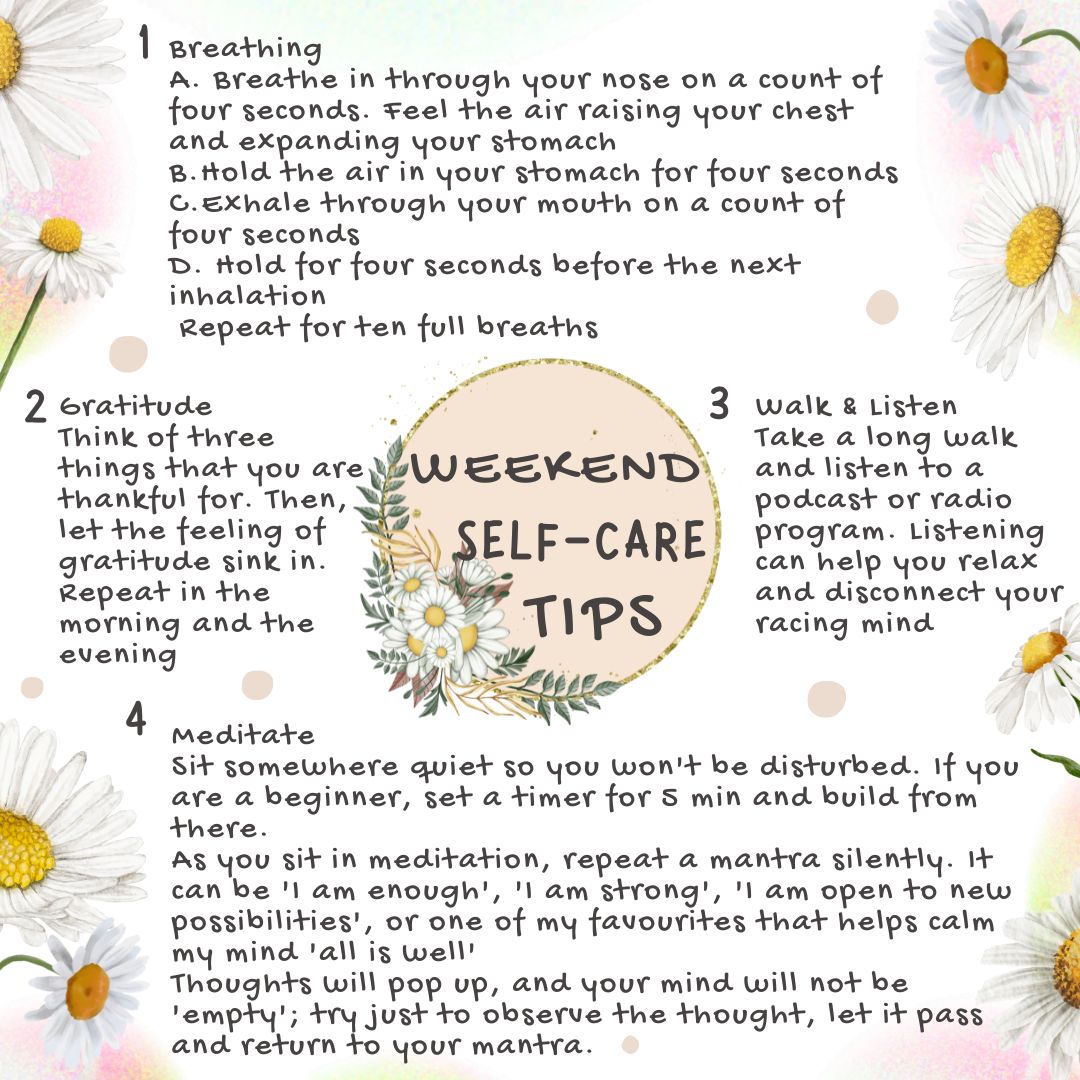
Breathing It is incredible how much our breathing affects us. Of course, we must inhale oxygen and exhale carbon dioxide for survival. Still, the length and depth of our breaths are affected by our situational circumstances, influencing our state of mind. For example, our breaths tend to be shorter and shallower if we are stressed and longer and deeper when we are more relaxed. Practising control over our breathing can help us to manage anxiety and stressful situations. There are several techniques that can be used, which are all very good, but I will share a pretty straightforward practice that you might find to be a good starting point.
1.Breathe in through your nose on a count of four seconds. Feel the air raising your chest and expanding your stomach
2.Hold the air in your stomach for four seconds
3.Exhale through your mouth on a count of four seconds
4.Hold for four seconds before the next inhalation.
Repeat for ten full breaths
Gratitude I practice gratitude daily, and some days are more difficult than others, but I try to stick with it. Although, to tell the truth, some days, it is hard to find appreciation, so I go back to the basics of basics. That can be being grateful for having clean water on tap or a comfortable bed to sleep in. And when you examine that further, you realise that it actually is something to be thankful for.
So, think of three things you are thankful for and let gratitude sink in. You might even want to try to smile and take a deep breath to help spread that feeling of gratitude throughout your body. Repeat this practice in the morning and before bed at night.
Walk & Listen I can not say it enough, walking is an excellent mental health tool, so if you are able to walk – just do it, as Nike says. Walking outdoors has many benefits, but I encourage you to bring your headphones and listen to a podcast or radio show this week. Listening to something funny or interesting can help you relax and distract you from racing thoughts, worrying, or a never-ending-to-do list.
Meditate For some people, meditation is immediately associated with sitting cross-legged on the floor with the hands resting on the knees in the gyan mudra position of knowledge (thumb and index finger touching, palm facing upwards), going ‘uhmmm’. However, you can meditate in many different ways, and it is part of numerous cultures and religious practices. Even many do it without actually realising that is what it is because they are calling something different, like just sitting in quiet collecting their thoughts.
I will introduce a simple practice: knowing that you cannot meditate incorrectly is essential. Some days we are more grounded and less distracted, so it feels easier to get into a relaxed state, and when it doesn’t feel like that and thoughts keep popping up, it can be easy to dismiss the session as unsuccessful. The key is to not be so hard on yourself and keep practising. Our minds are never empty. However, we can become better at not letting thoughts dictate or manipulate us into putting value, feelings or energy into them but instead accepting and releasing the thoughts. A tip I’ve picked up from Tamara Levitt, head of Mindfulness at Calm, is that when I notice my mind wandering during meditation, I say ‘thinking’ quietly in my head to acknowledge the thoughts, release them, and then I regain my focus.
Find a calm, comfortable and quiet place to sit, and I recommend sitting in favour of lying down as it helps us keep alert. Keep shoulders upright, straight and relaxed, and rest your hands loosely on the side or in your lap without clenching them into a fist. Keep the palms open and relaxed. Pick a mantra to repeat during your practice. Here are some suggestions:
∞I am enough
∞I am loved
∞I am strong
∞I am capable
∞I am open to new possibilities
Or my favourite, which hits the spot universally but particularly if I am stressed or worried:
∞All is well
Use a timer and set it for 5 minutes, sit silently, take a few deep breaths and silently repeat your chosen mantra. If you can sit longer, please do; if three minutes are enough, that is fine too. Extend your time with practice.
I hope I’ve given you some food for thought, and I wish you a stress-free and joyful weekend ahead.
I hope you have had a good productive week. The weekend is about to start, and it is a great time to reflect and nourish your soul.
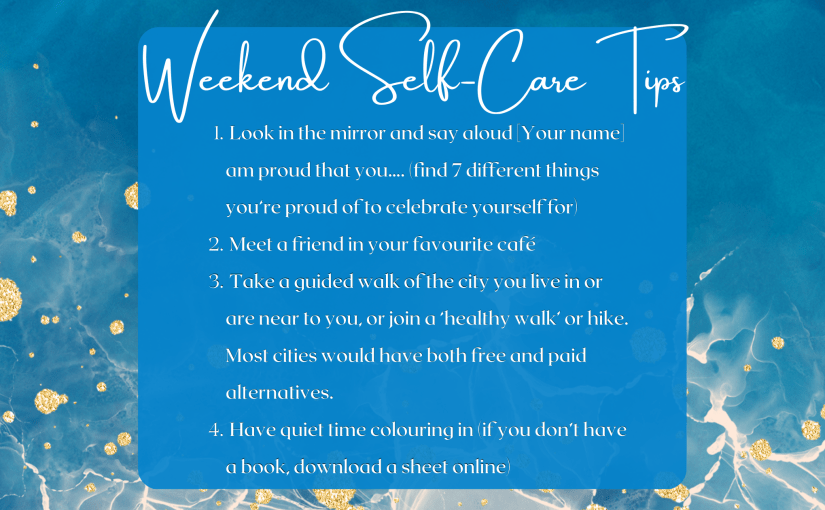
This weekend’s self-care tips include an exercise to tell yourself seven things you are proud of about yourself or something you have achieved. It can be anything, and there are no wrong ‘things’ as long as it is about you. It can be challenging to turn inwards and find appreciation when you’ve been particularly busy or have had a difficult time. When that happens, I try to identify everyday stuff that deserves recognition. When my workload has been particularly heavy and/or life, in general, has been challenging, it has sometimes felt that I’ve just been putting out fires. In turn, when that happens, it feels like I have not achieved anything. As an example of where to start, I find it very hard to get out of bed in the mornings, I’m just not a morning person. Thus, I might start by looking in the mirror and tell myself, ‘I am proud of you for making it out of bed every morning this week’. So, if you find it hard to get going, start with ordinary everyday achievements. This exercise is an excellent practice for building esteem and developing self-appreciation. With practice, you might even find something surfacing that you didn’t realise about yourself or felt you ‘lost’ somewhere along the way. Give it a go😊
It is never wrong to pop out and grab a quick cuppa with a dear friend or loved one. Also, it is a great way to support local businesses. So, if you haven’t visited it yet, go to that independent coffee shop or café in your neighbourhood, or somewhere nearby.
Explore your town or city by going on a guided walking tour, a brilliant way to incorporate physical activity into your weekend. For example, I live in London, and there are many different types of walks available in the city centre as well as locally. Most boroughs in London have something called ‘Health Walks’ or ‘Walking for Health’, and they are free to participate in. Also, local walking routes might be available online to download for free, or you can create your own route using something like Google Maps. The beauty of a walking activity is that you can go alone, with a friend or take the whole family along. Exercise and fresh air – an excellent recipe for nourishing your body and soul.
As an adult, have you ever used a colouring book? I mean a colouring book for adults, not gotten carried away with your child’s crayons in their Disney Princess or Paw Patrol colouring book. Not that it is anything wrong with that, it is still a creative outlet. However, there are some lovely colouring books for adults, which are not very expensive either, or you can download sheets online if you want to test them out (see link below). You don’t have to be an artist; it is amazingly relaxing and a brilliant way to wind down.
May your weekend bring joy, rest and nourishment for body and mind. Enjoy!
Although reducing body weight before any surgery is generally a good way to decrease risks associated with surgery, particularly with general anaesthesia, rapid weight loss has another crucial effect beneficial to bariatric surgery (or other abdominal surgery). It will reduce fat and glycogen stores around the liver, making it smaller and softer to work around; therefore, Low Calorie Diet (LCD) is often synonymously known as a Liver Shrinking Diet.
There are a few different ways to go about the pre-op LCD, and the tricky part is to ensure you maximise the nutritional quality of whatever method you use. The chemist, health shop and well-stocked supermarkets usually offer a variety of meal replacement drinks and products that are nutritionally complete. And, of course, many are also available online. Thus, in practical terms, LCD drinks can be easier to ensure you receive the nutrients you need and track your calorie intake to ensure it doesn’t exceed 1000 kcal a day.
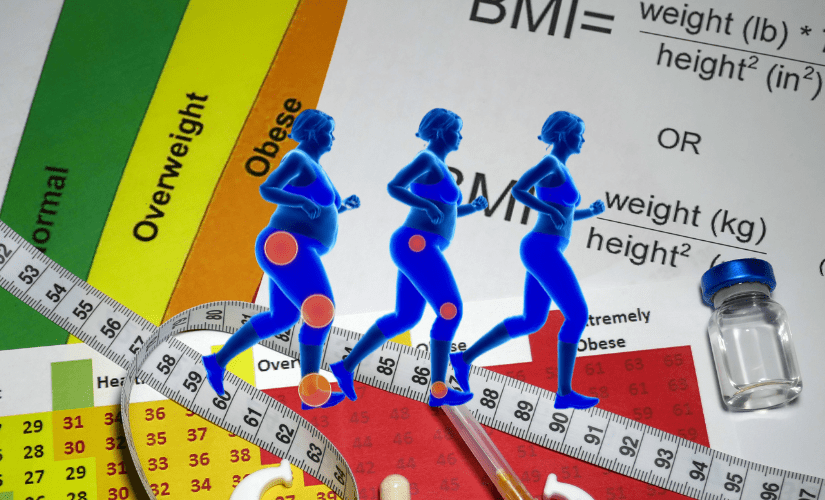
The length of time you need to be on an LCD before surgery varies depending on your Body Mass Index (BMI); your consultant will discuss this with you. Generally, if the BMI is at the higher end of the obesity range, your LCD period will be longer than when the BMI is in the lower range. For example, my BMI was 50+++, so my consultant asked me to do an LCD for 4-5 weeks.
I am not going to lie – I was dreading it. Before starting the LCD, I purchased several different products, including Slim Fast drinks and HUEL shakes, and I could not stand any of them or any flavour. And the thought of not chewing for five weeks didn’t appeal to me. So, therefore, I opted for a food based diet, counting calories.
The first few days were awful; the expression ‘hangry’ really applied, but it appeased after 4-5 days and felt much more manageable. The experience was completely different from any other time I’d gone on a diet, this was hard, but psychologically it was easier as it helped to know there was a definite end to it. Also, I’m not planning to ever go on a calorie-restricted diet again as long as I live. I actually relished the challenge of the LCD, and it was encouraging to know I would have better tools to manage overeating after the surgery. My body would work with me rather than against me. Of course, post-surgery, you must adapt to making better and healthier food choices. But the great thing is that there are no ‘forbidden’ foods in principle. Nevertheless, some foods can be more challenging to consume, particularly in the first few months, and you should avoid highly sugary and fatty foods.
A comforting thought, for me at least, is that it is not like you can’t ever have another piece of chocolate again (I’m a recovering chocoholic 😉). However, you won’t be able to eat much of it, as consuming too much sugar or fatty food can cause dumping*. The beauty of bariatric surgery is that your body will draw your appetite towards healthier, more nutritional food. Basically, the signals between the gut and the brain will be rebooted, upgraded even. It will be easier to understand what your body needs rather than trying to decode corrupted messaging about false appetites and cravings. However, it is probably a good idea to mention that getting used to this ‘new system’ can take some time. You may need up to 12 months to adjust to this new system and adapt to new habits. Because your food preferences will likely change, and you will need to eat smaller portions and more regularly throughout the day, you will need time to implement these changes.
I lost 12kg during the LCD, which was the target the consultant had set for me. Since I was having my surgery abroad and would be staying in Sweden for the duration of my recovery, I was very busy at work leading up to travelling. In addition, I worked from home, so I had only rotated a few different pieces of clothing and not worn many different clothes during the LCD before travelling. When I arrived in Malmö, in the south of Sweden, before my surgery, I changed into clothes I’d not used since the previous winter and found that most of the items I’d brought were extremely loose already. This was a big contrast to my previous experience, where I’d put on clothes I’d not worn for a while, only to find that they were too tight.
That was where my weight loss journey started to kick off. I am currently 13 weeks post-op, and the weight is effortlessly coming off at a steady pace. The enjoyment is that I am not ‘on a diet’.
Before signing off, I would like to emphasise again that using an LCD as a quick way to lose weight is not recommended unless supervised by a health professional. The risks of malnutrition and corrupting your metabolism will likely lead to regaining the weight again and even promote additional weight gain. To understand why dieting is problematic, particularly in people who have been chronically overweight or those living with obesity, please (re)visit my featured blog (Mis)Understanding Obesity.
*” Dumping syndrome occurs when food, especially sugar, moves too quickly from the stomach to the duodenum—the first part of the small intestine—in the upper gastrointestinal (GI) tract. This condition is also called rapid gastric emptying.”
“Dumping Syndrome.” Wikipedia, Wikimedia Foundation, 24 February 2023, en.wikipedia.org/wiki/Dumping_syndrome.
What are you doing this weekend to recuperate and recharge your soul?
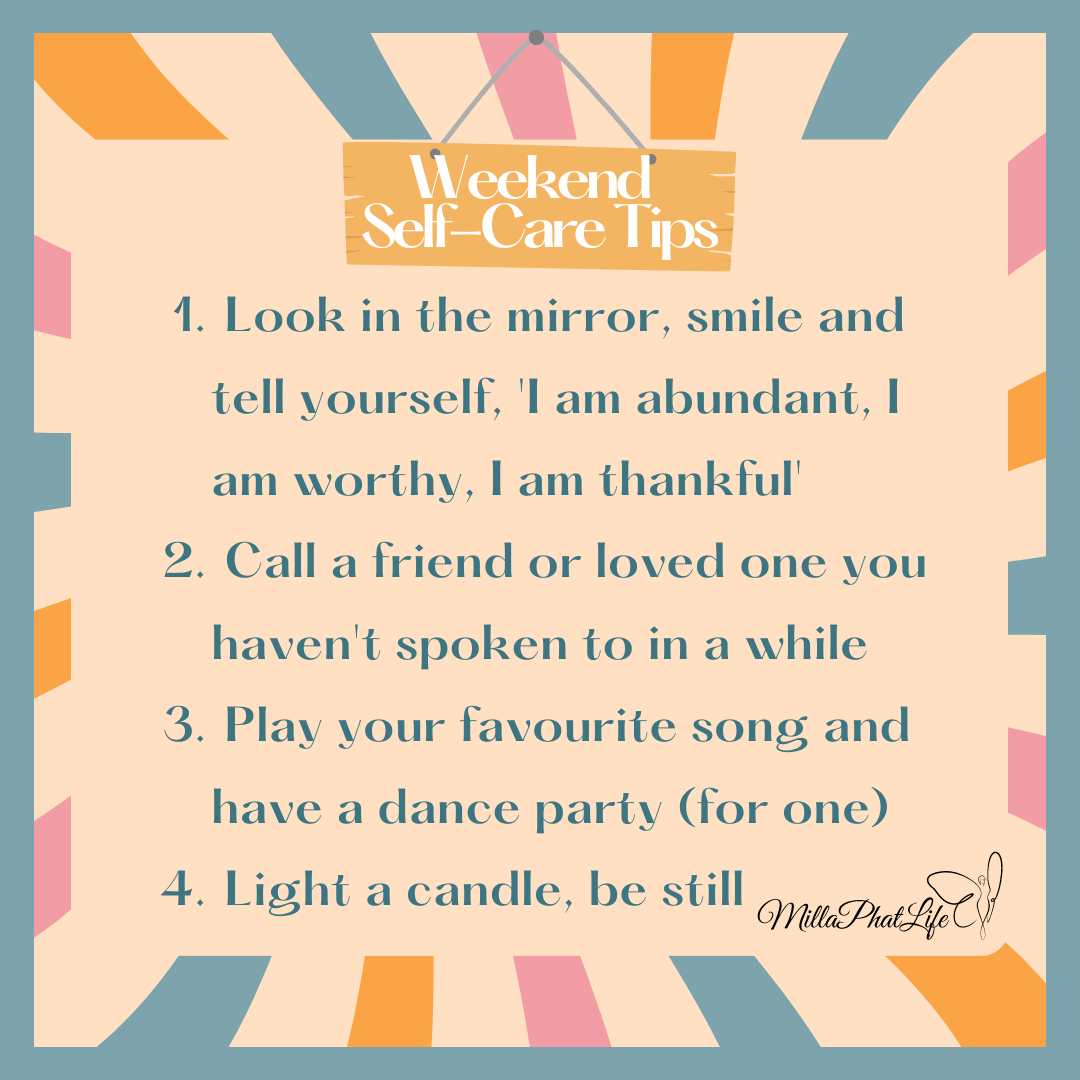
I think giving yourself a good talking to might be in order – tell yourself what you need to hear. No negative self-talk, just positive affirmations. As a woman, it can be tiresome to be told to smile, but I am going to tell you to do just that – smile at yourself. Look in the mirror and give yourself a smile. It may feel forced, but it becomes easier with practice.
This weekend I am looking forward to having a moment to sit with myself, without any distractions and just be. First, I need to clean out my brain of ‘temporary files’ to rid of clutter and give room for new positive ideas. Then, I need to catch up with a few friends, but I am kicking off the weekend with a dance party with a perfect song. The song is about self-love and having fun, and it definitely makes you want to move – take it away Mary ‘Queen of Hip Hop Soul’ Blige.
“Let it go Can’t let this thing called love get away from you Feel free right now, go do what you want to do Can’t let nobody take it away, from you, from me, from we No time for moping around, are you kidding? And no time for negative vibes, ’cause I’m winning It’s been a long week, I put in my hardest Gonna live my life, feels so good to get it right”
After fifteen months, which felt like forever, from talking to the GP (General Practitioner), completing a 12-month Healthy Weight (HW) programme and finally meeting the NHS (National Health Service) specialist bariatric consultant, I decided to seek private treatment.
The fifteen months leading up to my decision to do that was challenging. When I first decided to go for weight-loss surgery, I felt elated; however, simultaneously, my sister was seriously ill with lung cancer. Then, five months later, my sister died. After that, life did not feel the same. I was, and still am, grief-stricken. When you lose a loved one, it is natural to question and re-evaluate your beliefs and priorities in life. But, although I had already started taking action to pursue bariatric surgery, my sister’s passing strengthened my conviction. I knew I’d made the right decision to get help to optimise my future health.
A parent is not supposed to bury their child, regardless of age. It is not in the correct order of life. My dad passed away years ago, so I wanted to be there for my mum. I live in London in the UK, but I was born and grew up in Stockholm, Sweden, where my mum still lives. One good thing as a result of the pandemic was that many organisations figured out how people can effectively work from home. It meant I could work remotely and be with my mum for a couple of months.
A few days after losing my sister, I encountered another obstacle while preparing to travel to Stockholm. I went to a regular weigh-in as part of the HW programme, where I told them I was going abroad. Apart from the weigh-ins’, I’d had all my therapy-, dietician- and activity coach sessions over the phone. As we were in the middle of the pandemic, the guidance also stated that if you were uncomfortable attending in person, you could weigh yourself at home and report it back to the HW practitioner. So, I hadn’t expected any issues to arise with me going abroad for a period. Instead, they told me I would have to start again when I returned to the UK – I was three months into the programme at that point. They said they wouldn’t treat me while abroad. I was FUMING! It didn’t make any sense. How I managed to keep my composure, I don’t know, but I did. Instead, I asked if they could make an exception since I’d suffered a family loss. They were going to check with a supervisor and come back to me. I left and sat in my car in the clinic’s car park, bawling my eyes out.
After 15 minutes of tears running down my face and an emotional phone call to my mum, I made my way home. As I pulled up outside my house, my mobile phone rang; as promised, the HW practitioner had checked with the supervisor, and everything was fine. I would not need to start again when I returned to London, and the treatment would continue while I was away as it had – over the phone. I could have done without the upset and the stress of it, though.
To receive weight-loss surgery treatment through the NHS in the UK can be difficult and seemingly unnecessarily so. The process patients must go through is agony when they already fit the criteria set by the NHS. Having weight loss surgery is not a quick fix, nor should it be looked upon as some kind of cosmetic vanity surgery. It is a medical procedure that will save lives and ultimately costs by reducing the development of comorbidities. Weight loss surgery will have a significant impact on a person’s life, both physical and emotional. Thus, I would argue that the format of the HW programme would be much more beneficial as a post-surgery resource. Any necessary pre-surgery preparation can be covered solely by the services at the bariatric clinic. It seems redundant that a GP cannot refer a patient directly to a bariatric specialist; since, at that point, the GP should have established that the patient’s previous attempts to lose weight have been unsuccessful.
The list below outlines the criteria for when weight loss surgery is available on the NHS:
you have a body mass index (BMI) of 40 or more, or a BMI between 35 and 40 and an obesity-related condition that might improve if you lost weight (such as type 2 diabetes or high blood pressure)
you’ve tried all other weight loss methods, such as dieting and exercise, but have struggled to lose weight or keep it off
you agree to long-term follow-up after surgery – such as making healthy lifestyle changes and attending regular check-ups
People who might benefit from bariatric surgery don’t know it is a viable treatment option. Many don’t even seek help from their healthcare provider because of the stigma attached to fatness. Instead, they join a weight loss club or start a diet plan based on calorie reduction and exercise to burn more calories. When the diet and exercise plan collapses, people put the ‘failure’ down to poor character. Because this is what society tells us, fat people are lazy, lack discipline and eat nothing but unhealthy foods. Fat phobia is living large in the UK (and across the world).
Another problem, and it is a huge one, is that knowledge about effective obesity treatment is still lacking among health practitioners. They are still harping on with the ‘eat less, move more’ approach, which has proved ineffective for most obese patients. Also, keep in mind that health professionals are not immune to the deep-rooted misconception about fatness and the impossible societal beauty ideals. More importantly, they are not necessarily well-educated in the complex factors causing obesity, such as abnormal regulation of energy balance (which is influenced by genetics, hormones, etc.). Energy balance is not as simple as the balance between calories consumed and energy expenditure (basal metabolic rate(*) + physical activity), which is the driving concept of ‘eat less, move more’.
When excessive weight is sustained over an extended period, the chances of shaking it off and maintaining weight loss with diet and exercise become slimmer (excuse the pun). The ‘set point’ theory explains how your body fights to maintain the elevated weight, making it nearly impossible to sustain a significant weight loss achieved by a calorie-controlled diet. Yet, surprisingly, the set point theory is not public knowledge or widely known within the health profession (or industry) outside of metabolic/bariatric specialists.
Your body is very clever, but it has not adapted to the relatively recent increase in food availability over the last 40-50 years; its instinct is survival. Throughout human history, the body has negotiated survival in a state of starvation (for thousands of years) more than in an environment of abundant food availability. Hence, it’s not surprising the body is protecting the excess – it’s conditioned to build a reservoir in case of future scarcity. Also, the body doesn’t care what it looks like.
Despite the 30 minutes of upset where I thought I would have to restart the 12-month HW programme, I persevered. Just a couple of days before I travelled to Sweden, I met with the regional specialist consultant assigned to the HW programme to provide guidance and assess your suitability for surgery. Taking my knowledge and experience into account, I found that talking to a bariatric consultant was probably the most helpful element of the 12-month programme. Fast forward ten months, when I had completed the HW programme, I sat in the same consultant’s clinic in a South London Hospital on a beautiful August morning. That’s when I received the gut-wrenching news that the current waiting time for surgery was 3 to 5 years.
That afternoon, I called a well-renowned clinic in Stockholm, which referred me to GB Obesitas in the south of Sweden. This was when I experienced a fundamental shift, and things started moving at my preferred pace (‘make it happen now’). The most amazing nurse called me in response to a brief email explaining my circumstances. I had comprehensive information sent to me backing up what the nurse had outlined to me over the phone. It can be overwhelming to receive a lot of information in one go, so the guidance notes were beneficial as I could revisit the guidance when needed. Finally, we booked a date for surgery in November 2022.
The ball really got started rolling from there on. I attended an online information group meeting, a 1:1 consultation with the bariatric consultant, did blood tests through my GP surgery in London, emailed the results to the clinic nurse, and then started the pre-op diet. I will tell you more about the pre-op diet in a separate post.
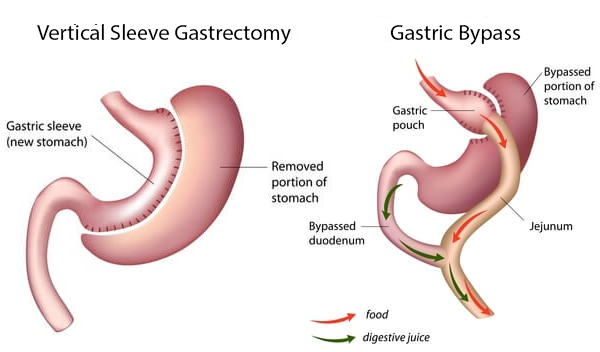
I was excited that I finally had a date for surgery. From the beginning, I had been pretty set on having gastric sleeve surgery, which I had discussed with the consultant in London. However, after talking to the consultant in Sweden, I changed my mind. By their recommendation, I decided to have a gastric bypass instead. Both surgeries are very effective, but the bypass generally generates more significant weight loss, approximately 80% of the excess weight compared to 70% with a sleeve. Thus, the bypass is generally a better option for someone like me with a very high BMI and you have more weight to lose. Ultimately, that was the deciding factor for me to choose gastric bypass surgery over a gastric sleeve.
If you are considering bariatric surgery, do your due diligence and research which surgery might suit your circumstances best. For example, if you already have acid reflux problems, it can get worse after gastric sleeve surgery, and it is also something that might start to occur even if you haven’t suffered from it before. Also, smoking can cause ulcers after bariatric surgery – especially with a gastric sleeve. Finally, among the side effects of gastric bypass is bowel obstruction which would require another surgery.
All this is due to the difference in post-surgery anatomy and not the surgeon’s skill level. Discuss your preference with your consultant but be receptive to their professional recommendation. After all, you want to achieve the best possible long-term health outcomes.
You might find the YouTube video below helpful in your research, where the American doctor John Pilcher explains how the two different surgeries work and the difference between the two (gastric sleeve and gastric bypass).
I wish you great success and all the best if you are about to set off on a journey exploring bariatric surgery.
All is well.
Milla ♥
(*) basal metabolic rate – the amount of energy expended while at complete rest
Valentine’s Day, the day of love and romance, is coming up. It is looming like a pink cumulous cloud or as a dark nimbus, it depends on your perspective. It can be a wonderful occasion to show your lover how much you appreciate them. For others, it can be tremendously depressing and triggering if they don’t have a romantic partner. And, of course, some people couldn’t care less about this commercially driven event. I am not into the hype, but I still think it is a lovely gesture if you choose to do something for your partner on this day. I don’t think it should be the only day of the year when you show appreciation for the person you love. Naturally, you can choose this day to show anyone in your life that you love and appreciate them, that being a parent, grandparent, friend or child.
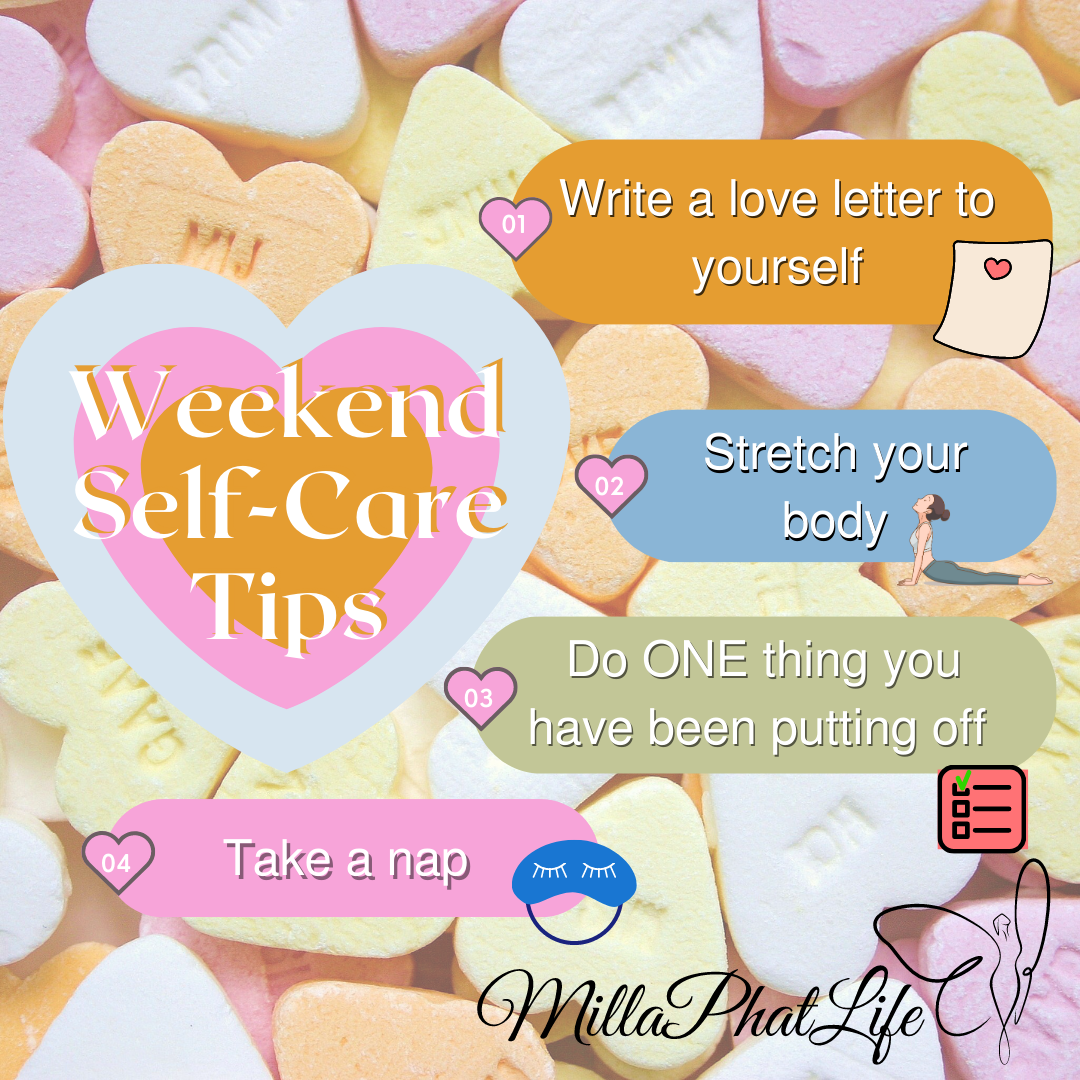
However, I think it is utterly important to show yourself some love, and many find that extremely hard. So in this weekend’s self-care tips, I have included a task to write yourself a love letter. You might find it really tricky to proclaim appreciation for things about yourself, but start off with simple things – they are by no means less valid. For example, I cannot skip brushing my teeth or not washing off my make-up before going to bed, no matter how tired I am. Write the letter to yourself from yourself, not about yourself, if you get what I mean. So to give you an example, I might start with, ‘I love how you take care of your teeth and skin. I appreciate how important that is to you.’ It might sound silly when you first start but it is good practice. Just keep going, and remember the letter is addressed to you – so it is totally private.
When you’re done you might need to take that nap 😉






 Welcome to MillaPhatLife's Blog